Wildfires, Wood & Carbon: Understanding Forest Climate Impact
Forests are more than just beautiful landscapes; they are dynamic ecosystems that play a critical role in regulating our planet's climate. Often described as Earth's lungs, their influence extends far beyond oxygen production, acting as crucial managers of atmospheric greenhouse gas levels. At the heart of this influence lies the intricate
forest carbon cycle – a complex, continuous exchange of carbon between forests, the atmosphere, soils, and living organisms. Understanding this cycle, particularly in the face of increasing wildfires and evolving wood product use, is fundamental to comprehending and mitigating climate change.
The Forest Carbon Cycle: A Natural Balancing Act
Imagine the Earth's atmosphere as a vast checking account for carbon. Forests operate as a sophisticated financial system within this account, making both deposits and withdrawals. The primary "deposit" mechanism is
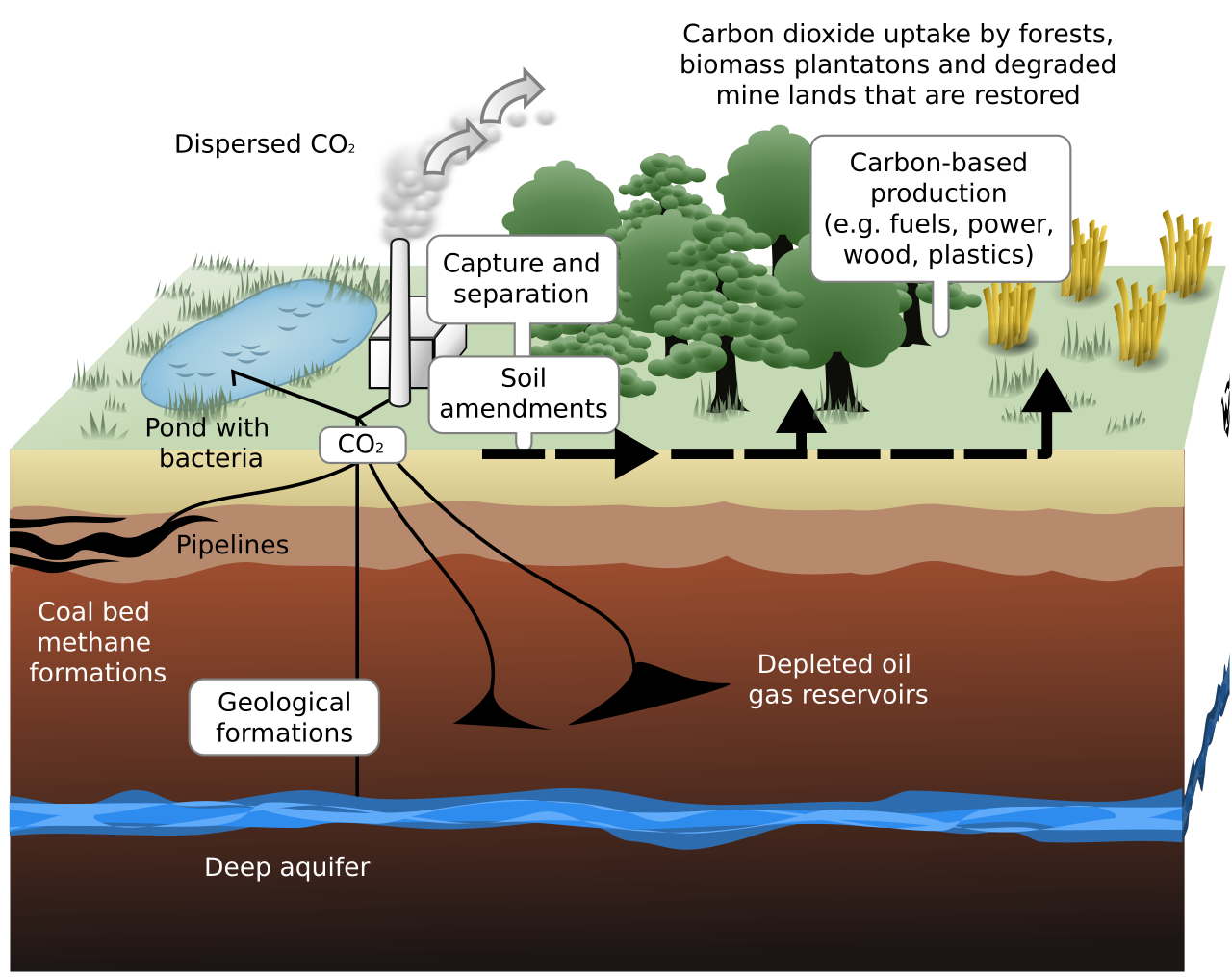
carbon sequestration, a process driven by photosynthesis. As trees and other plants grow, they absorb carbon dioxide (CO2) from the air, using sunlight to convert it into sugars for energy and into plant matter, primarily wood. This wood is remarkably about 50% carbon by weight, effectively "pulling" CO2 out of the atmosphere and storing it in living biomass. This is a significant credit to our atmospheric carbon account.
However, the cycle isn't a one-way street. Carbon is also released back into the atmosphere through several natural processes, acting as "debits." When trees die due to old age, disease, insects, or harvest, they eventually decay. This decomposition process, carried out by microbes and fungi in the soil, releases stored carbon back into the atmosphere as CO2 and methane, and into the soil as organic matter. Respiration by all living organisms, including trees themselves, also contributes to carbon release. It's this continuous give and take – sequestration and release – that defines the
forest carbon cycle. The overall balance dictates whether a forest is a net carbon sink (absorbing more than it releases) or a net carbon source.
Wildfires: Disrupting the Carbon Equilibrium
Wildfires have always been a natural part of many forest ecosystems, playing a role in regeneration and maintaining biodiversity. Historically, less intense, frequent fires would clear underbrush and recycle nutrients without catastrophic tree loss. However, the dynamics are changing. Fueled by prolonged droughts, accumulated fuel loads, and hotter temperatures – all exacerbated by climate change – we are now witnessing an increase in the frequency, intensity, and size of devastating megafires.
These destructive wildfires represent a massive and rapid "withdrawal" from the atmospheric carbon checking account. As trees and other vegetation burn, vast quantities of previously sequestered carbon are instantly released into the atmosphere as CO2, methane, and other greenhouse gases. The immediate impact is a sharp increase in atmospheric greenhouse gas levels. Beyond the immediate release, severe fires can sterilize soils, destroy critical soil carbon stores, and kill the very trees that would otherwise continue to sequester carbon for decades. This not only eliminates a future carbon sink but also leaves the area vulnerable to erosion and further degradation, slowing the recovery of its carbon storage capacity.
Insight: While natural fire regimes are part of the carbon cycle, the scale and intensity of modern wildfires push ecosystems beyond their adaptive capacity, turning them from consistent carbon sinks into significant carbon sources. This creates a dangerous feedback loop where climate change drives more severe fires, which in turn release more carbon, accelerating climate change further.
Wood Products: Carbon Lock-up or Temporary Storage?
The role of wood products in the
forest carbon cycle is often misunderstood. When trees are harvested, the carbon stored within their wood doesn't immediately return to the atmosphere. Instead, it can remain "locked up" for extended periods depending on how the wood is used.
*
Long-lived products: Timber used in construction, for example, can store carbon for decades or even centuries in buildings, furniture, and other durable goods. Since wood is approximately 50% carbon, using it in a house essentially creates a carbon repository. This "carbon lock-up" is a significant benefit, as it extends the period that carbon is kept out of the atmosphere.
*
Short-lived products: Paper products, cardboard, and firewood have much shorter lifespans. While they temporarily store carbon, their eventual decay or combustion releases that carbon back into the atmosphere much sooner.
Analysis: The debate around harvesting trees sooner vs. allowing them to grow longer for carbon storage is nuanced. While a standing forest generally stores carbon more effectively and continuously than harvested wood products (especially if those products are short-lived), using wood in durable goods provides a valuable carbon sink, particularly when it displaces more carbon-intensive materials like steel or concrete. Furthermore, sustainably managed forests that undergo periodic harvesting can maintain robust carbon sequestration rates over the long term, as younger, actively growing trees sequester carbon more rapidly than very old, senescent ones.
Managing Forests for a Climate-Resilient Future
Effective forest management is key to leveraging the power of the
forest carbon cycle as a climate change mitigation tool. Strategies must be adaptive, considering various factors like climate, forest type, economic pressures, and ownership.
1.
Reforestation and Afforestation: Planting more trees, particularly in degraded areas or on land not previously forested, directly increases carbon sequestration capacity. This is a straightforward "deposit" into the carbon account.
2.
Enhancing Forest Health: Healthy forests are resilient forests. Efforts to improve overall forest health, such as managing for insect and disease outbreaks, thinning overstocked stands, and promoting diverse species, enhance their ability to sequester and store carbon.
3.
Wildfire Prevention and Mitigation: Proactive measures are crucial. This includes:
*
Prescribed Fire: Controlled burns can reduce accumulated fuel loads, mimicking natural fire regimes and preventing catastrophic megafires. This releases carbon in a controlled manner, preventing a much larger, uncontrolled release.
*
Strategic Thinning: Removing smaller, competing trees can make forests more resistant to high-severity fires and improve the health of remaining trees.
*
Fire-Wise Communities: Educating and empowering communities to create defensible spaces around homes significantly reduces the risk of property loss and large-scale fires.
4.
Extended Harvest Rotations: In certain forest types, particularly wetter ones, allowing trees to grow for longer periods before harvest can significantly increase overall carbon storage in the forest ecosystem. These larger, older trees hold substantial amounts of carbon.
5.
Sustainable Wood Product Use: Promoting the use of long-lived wood products as substitutes for carbon-intensive materials maximizes the carbon locked up in materials. Developing "cascading use" systems, where wood products are repurposed or recycled through multiple lifecycles before their carbon is released (e.g., lumber to furniture to mulch to bioenergy), can further optimize their carbon benefits.
Practical Tip: Regional considerations are paramount. For example, in drier, fire-prone regions, management might prioritize reducing wildfire risk and restoring natural fire regimes (which might mean less immediate carbon storage but better long-term forest health). In contrast, wetter, less fire-prone regions might focus on maximizing carbon sequestration through extended growth periods and sustainable harvesting practices. This adaptive approach ensures that forest management aligns with local ecological needs and climate goals.
The
forest carbon cycle is a powerful natural mechanism, but its delicate balance is increasingly threatened by human activity and a changing climate. By understanding how forests absorb, store, and release carbon, and by implementing informed, adaptive management strategies, we can harness their immense potential to mitigate climate change and build more resilient ecosystems for the future.