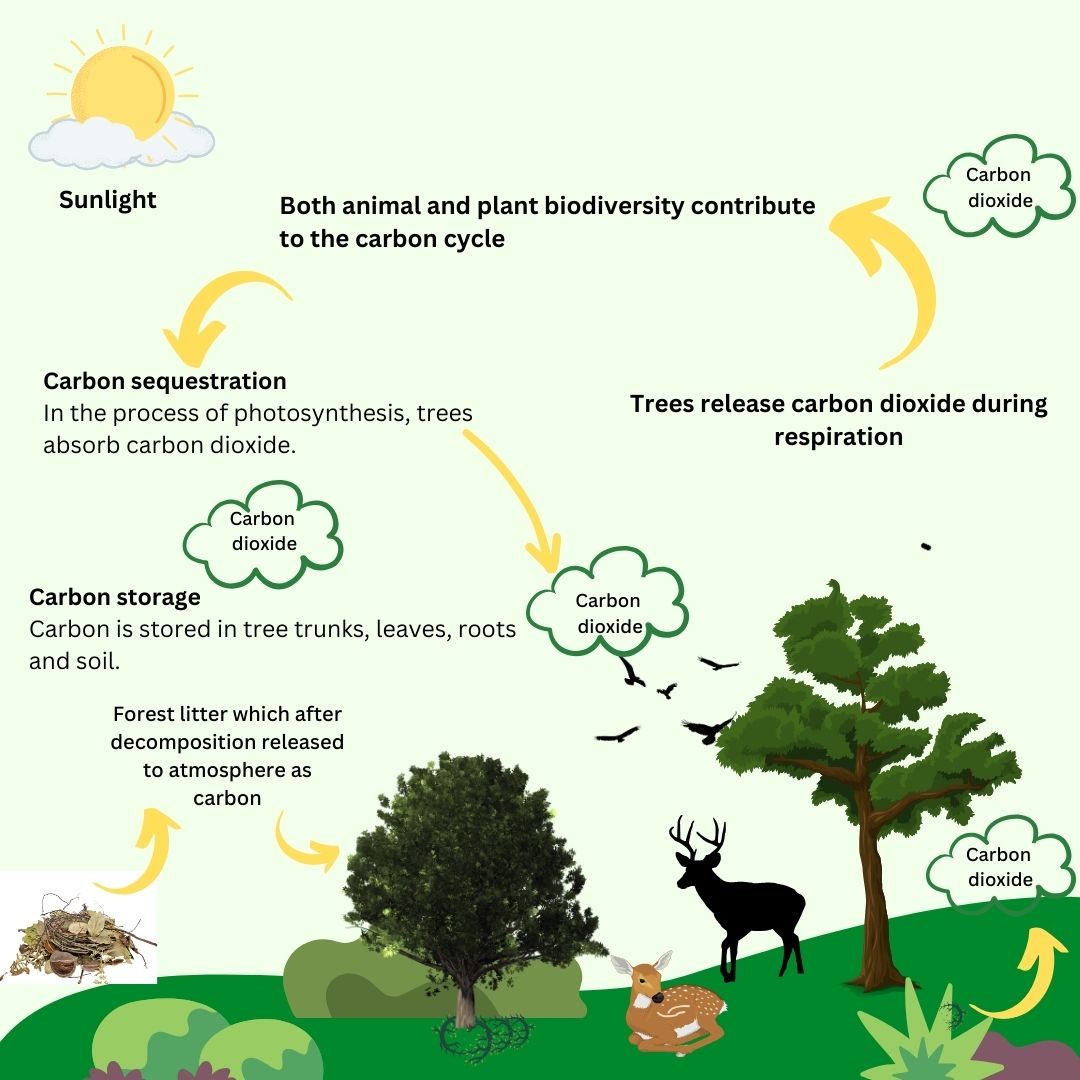
Forests are much more than just picturesque landscapes; they are dynamic powerhouses in the Earth's climate system, profoundly influencing atmospheric greenhouse gas levels. At the heart of this influence lies the intricate forest carbon cycle, a natural process that scientists often describe as a planetary checking account. In this vital account, forests act as both massive depositors and occasional withdrawers of carbon, making their management critical for global climate mitigation efforts.
Understanding how forests interact with carbon dioxide (CO2) – absorbing it, storing it, and sometimes releasing it – is fundamental to developing effective strategies against climate change. From the majestic growth of a single tree to the vast expanse of a national forest, every element plays a role in this delicate balance. Let's delve into the mechanics of this natural cycle and explore the strategic approaches that can harness the power of our forests to help stabilize our climate.
The Forest Carbon Cycle: Nature's Dynamic Regulator
At its core, the forest carbon cycle is a continuous exchange of carbon between forests, the atmosphere, and the soil. The primary mechanism for carbon gain, known as sequestration, occurs through photosynthesis. As trees and other plants grow, they absorb carbon dioxide from the air, using sunlight to convert CO2 and water into sugars for energy and growth. A significant portion of this converted carbon is then locked away in plant matter, forming wood that is approximately 50% carbon by weight. This process effectively pulls CO2 out of the atmosphere, acting as a "credit" in our global carbon checking account.
However, the cycle also involves "debits." Carbon is released back into the atmosphere through several natural processes. When trees die from old age, disease, or insect infestations, their decomposition by microbes slowly releases stored carbon into the soil and as CO2 back into the air. Similarly, forest fires, which are increasingly prevalent due to climate change, cause a rapid and significant release of large quantities of stored carbon into the atmosphere, directly contributing to increased greenhouse gas levels. Even the respiration of living organisms, including trees themselves, contributes to atmospheric CO2. This constant give and take is what defines the cyclical nature of carbon in forests. For a more detailed look at this natural phenomenon, explore Forests: Nature's Carbon Checking Account for Climate Control.
Carbon Sequestration & Storage: A Deeper Dive
While sequestration is the active process of drawing carbon from the atmosphere, carbon storage refers to the ongoing process of holding onto that carbon within various "sinks" within the forest ecosystem. These reservoirs are complex and multifaceted:
- Living Biomass: This includes the trunks, branches, leaves, and roots of trees and other vegetation. Mature, healthy forests with large, long-lived trees are particularly effective at storing substantial amounts of carbon.
- Dead Organic Matter: Fallen leaves, dead wood (snags and logs), and other decaying plant material contribute to carbon storage on the forest floor, albeit temporarily as decomposition proceeds.
- Soil Carbon: Perhaps one of the most significant and often underestimated carbon reservoirs, forest soils contain vast quantities of carbon in organic matter, humus, and microbial life. Healthy soil ecosystems are critical for long-term carbon storage.
- Wood Products: When trees are harvested sustainably and used to create durable goods like lumber for buildings or furniture, the carbon stored within that wood is "locked up" for decades or even centuries. This effectively extends the carbon storage beyond the living forest.
It's important to note that while wood products store carbon, a living, growing forest generally sequesters and stores carbon more effectively over the long term than harvested wood products alone. The continuous growth, regeneration, and complex ecosystem interactions in a healthy forest provide a superior carbon sink.
Strategic Forest Management for Climate Mitigation
Given the immense capacity of forests to influence atmospheric carbon, proactive and informed management strategies are indispensable for climate mitigation. These strategies aim to enhance carbon sequestration, extend carbon storage, and reduce carbon emissions from forests.
Reforestation & Afforestation: Growing Our Carbon Solutions
One of the most direct ways to increase carbon sequestration is through planting more trees. Reforestation involves replanting trees in areas that were previously forested but have been cleared (e.g., after logging or fire). Afforestation refers to establishing forests on land that has not been forested for a long time, such as abandoned agricultural land. These efforts not only remove CO2 from the atmosphere but also restore biodiversity, improve soil health, and provide other ecosystem services. The key is to plant native, climate-resilient species and manage them to thrive.
Enhancing Forest Health & Resilience
A healthy forest is a strong carbon sink. Strategies here include managing for diversity (both species and genetic), preventing and mitigating pest and disease outbreaks, and improving overall forest vigor. For instance, selective thinning can reduce competition among trees, allowing remaining trees to grow larger and sequester more carbon. Investing in forest health helps ensure that these vital ecosystems can withstand the increasing pressures of a changing climate, maintaining their carbon storage capacity.
Proactive Wildfire Management: Mitigating Massive Carbon Release
Destructive wildfires represent a major "debit" to the global carbon account, releasing vast amounts of CO2 and destroying carbon-storing biomass. Proactive wildfire management is crucial. This includes strategies like prescribed burning, which reduces hazardous fuel loads under controlled conditions, making future wildfires less intense. Other measures include creating defensible spaces, mechanical fuel removal, and improving early detection systems. By preventing catastrophic fires, we safeguard existing carbon stores and prevent significant new emissions. To learn more about the critical link between wildfires, wood, and carbon, refer to Wildfires, Wood & Carbon: Understanding Forest Climate Impact.
Optimizing Harvest and Wood Product Use
Sustainable forestry practices play a dual role. Firstly, they ensure that forests remain productive carbon sinks over the long term. This can involve adopting extended harvest rotations, allowing trees to grow older and larger, thereby storing more carbon before being harvested. For example, some regions allow trees to grow for 60-80 years or more before harvest, significantly increasing their carbon storage potential compared to typical 40-year rotations. Secondly, the responsible use of forest products can contribute to climate mitigation. Using wood in long-lived buildings "locks up" carbon for decades. Furthermore, substituting wood for more carbon-intensive materials like concrete, steel, or plastics in construction can significantly reduce the embodied carbon of buildings, offering a 'carbon dividend' for sustainable forestry.
Tailoring Strategies: The Importance of Context
It's vital to recognize that there is no one-size-fits-all solution for forest carbon management. Strategies must be tailored to specific ecological, economic, and social contexts. Factors such as climate, forest type, ownership patterns, and existing economic pressures profoundly influence what management practices are most effective.
For instance, wetter forests in regions like western Washington state may benefit from strategies that prioritize extended harvest rotations, allowing trees to grow longer and accumulate more carbon. These forests often have different fire regimes and growth rates. Conversely, drier forests, such as those found on the east side of Washington, naturally experience more frequent, lower-intensity wildfires. Here, management might focus more on prescribed fire and other forest health treatments to reduce fuel loads, restore natural fire regimes, and build resilience against high-severity fires, which paradoxically can lead to better long-term carbon outcomes by preventing catastrophic emissions.
The role of robust forest inventories, like those conducted periodically by the US Forest Service, cannot be overstated. These inventories provide critical data on tree growth, health, and distribution, informing effective, data-driven management decisions across diverse landscapes.
Conclusion
Forests are invaluable allies in the fight against climate change, acting as essential components of the global forest carbon cycle. By understanding their dynamic role in sequestering and storing carbon, and by implementing strategic, context-specific management practices, we can significantly enhance their capacity for climate mitigation. From planting more trees and protecting existing forests from destructive wildfires, to fostering overall forest health and making conscious choices about the wood products we use, every effort contributes to a healthier planet. As climate change continues to demand our attention, harnessing the power of our forests through intelligent management is not just an option; it's a fundamental necessity for a sustainable future.