Forests: Nature's Carbon Checking Account for Climate Control
Imagine our planet's atmosphere as a vast, shared checking account where greenhouse gases, particularly carbon dioxide (CO2), are the currency. In this intricate financial system, forests don't just sit idly by; they actively manage the balance, serving as nature's most vital carbon checking account. This profound interaction is what scientists refer to as the forest carbon cycle – a dynamic, continuous process of give and take that significantly influences atmospheric CO2 levels and, consequently, our global climate.
Far more than just collections of trees, forests are complex ecosystems teeming with life, from microscopic organisms in the soil to towering canopies. Each element plays a role in processing and storing carbon, making forests indispensable allies in the fight against climate change. Understanding this delicate balance is crucial to appreciating the true value of these green giants.
The Forest Carbon Cycle: Nature's Intricate Accounting System
At the heart of the forest carbon cycle lies photosynthesis, the fundamental process by which trees and other plants absorb carbon dioxide from the atmosphere. During photosynthesis, CO2 is converted into organic compounds, primarily sugars, that fuel plant growth. This process effectively pulls carbon out of the air, acting as a "credit" in our atmospheric checking account. A significant portion of this sequestered carbon is then integrated into plant matter, especially the wood, which is approximately 50% carbon by weight. Scientists call this carbon gain carbon sequestration – a natural service that helps mitigate rising greenhouse gas levels.
However, the cycle isn't a one-way street. Just as credits are added, "debits" also occur. When trees and other forest organisms die, whether from natural causes like old age, or events such as insect infestations, diseases, or wildfires, the carbon stored within them eventually returns to the atmosphere. Decay processes, driven by microbes and fungi, release carbon dioxide into the air and carbon into the soil. Respiration by living organisms, including humans and animals, also contributes to this release. Historically, these processes maintained a natural equilibrium, but human activities and escalating climate impacts are tipping the scales.
Forest fires, for instance, are increasingly frequent and intense. While naturally occurring fires are part of some forest ecosystems, destructive wildfires release vast quantities of stored carbon almost instantaneously, acting as a massive debit to the atmospheric account. This rapid release of greenhouse gases not only exacerbates climate change but also diminishes the forest's capacity for future sequestration. To delve deeper into this critical aspect, consider reading our related article: Wildfires, Wood & Carbon: Understanding Forest Climate Impact.
Beyond Growth: Carbon Storage in Forest Ecosystems
Carbon sequestration is the act of drawing carbon from the atmosphere, but equally vital is carbon storage – the ongoing process of holding onto that carbon within various "sinks" within the ecosystem. These sinks include:
- Living Biomass: The wood, leaves, branches, and roots of trees and other plants. Larger, older trees typically store more carbon for longer periods.
- Forest Soils: Soil is a massive carbon reservoir, often holding more carbon than the plants above ground. Organic matter, decomposed plant and animal remains, and microbial life contribute to this storage. This makes the health of forest soils paramount for long-term carbon stability.
- Dead Organic Matter: Fallen leaves, decaying logs, and other debris on the forest floor slowly release carbon but also contribute to soil health and structure.
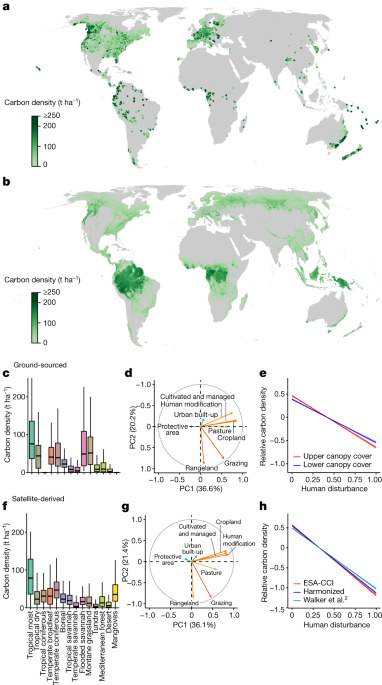
The efficiency of carbon storage varies significantly across different forest types and regions. For example, moist, rapidly growing forests might sequester carbon at a higher rate, while older, slow-growing forests may hold immense quantities of stored carbon over centuries. The specific climate, forest type, economic pressures, and ownership structures all influence how carbon is sequestered and stored. For instance, the challenges and management strategies for wetter forests in one region might differ vastly from those for drier, fire-prone areas. This regional variability underscores the need for tailored, adaptive forest management practices.
Active Management for a Healthier Carbon Balance
Given the critical role of the forest carbon cycle in climate regulation, active and informed forest management is no longer just about timber production or biodiversity; it's a powerful tool for climate mitigation. Government agencies, like the US Forest Service, regularly inventory forest resources to understand growth rates, tree health, and other factors that influence carbon dynamics. These inventories provide the data needed for effective strategies.
Key strategies for optimizing forests as carbon sinks include:
- Reforestation and Afforestation: Planting new trees in deforested areas (reforestation) or in areas that haven't been forests for a long time (afforestation) directly increases carbon sequestration capacity. Every new tree planted is a new carbon credit for the atmosphere.
- Sustainable Forest Practices: This encompasses a range of activities designed to maintain forest health and productivity over the long term. Examples include selective logging, which allows smaller trees to continue growing and storing carbon, rather than clear-cutting. Extended harvest rotations, where trees are allowed to grow for longer periods (e.g., 80-100 years instead of 40), significantly increase total carbon storage within the standing forest.
- Forest Health Treatments: Practices like controlled or prescribed burns can reduce hazardous fuel loads, preventing catastrophic wildfires that release massive amounts of carbon. Thinning overcrowded stands can improve the health and vigor of remaining trees, making them more resilient to disease, insects, and moderate fires, thereby enhancing their carbon sequestration potential.
- Protecting Old-Growth Forests: These forests are invaluable carbon reservoirs, holding vast amounts of carbon in their biomass and soils. Their protection is a critical component of carbon stewardship.
For a deeper dive into the specific actions and policies involved, check out our comprehensive article: Forest Management & Carbon: Strategies for Climate Mitigation.
The Crucial Role of Forest Products in Carbon Stewardship
The journey of carbon doesn't end when a tree is harvested. The use of forest products plays a surprisingly significant role in the overall carbon cycle. Since trees are roughly 50% carbon, using wood in long-lived applications effectively "locks up" that carbon for extended periods.
- Long-Lived Wood Products: Building materials like lumber for homes, furniture, and other durable goods can store carbon for decades, even centuries. Every wooden beam in a building represents carbon that is not in the atmosphere.
- Substituting Carbon-Intensive Materials: Using wood products often means replacing materials like steel, concrete, or plastics, which typically require more energy and emit more carbon during their production. This substitution effect further amplifies the carbon benefit of using wood.
- Recycling and Reusing: Extending the lifespan of wood products through recycling and reuse further prolongs the carbon storage period, reducing the demand for new timber and associated carbon emissions.
While forests are generally more effective at storing carbon than individual wood products once they leave the forest, the strategic use of sustainably sourced wood products offers a tangible bridge between forest management and broader climate goals. It creates an economic incentive to maintain and manage forests, which in turn continues to sequester and store carbon.
Conclusion
The forest carbon cycle is a natural marvel, an elegant interplay of life, death, and renewal that directly shapes our planet's climate. By understanding forests as dynamic carbon checking accounts, where growth makes deposits and disturbances cause withdrawals, we can better appreciate their immense value. As global climate change intensifies, the role of forests as a greenhouse gas reduction tool becomes ever more critical. From planting new trees and preventing destructive wildfires to improving overall forest health and making conscious choices about the wood products we use, every action that supports a healthy forest ecosystem contributes to a more balanced atmospheric carbon account. Investing in sustainable forest management isn't just an ecological imperative; it's a vital economic and societal strategy for securing a livable future.